Creative accuracy is a system
🛠️ The systems behind great strategy, plus building apps without leaving ChatGPT

Hey there 🧠
Ready for another day of staying ahead of the competition in the Growth race?
Oh and before we go ahead! If your friend sent this to you, be sure to subscribe here! So you don’t miss out on any editions.
Partnership with Playbook Pro
The Playbook for Profit That Funds Itself
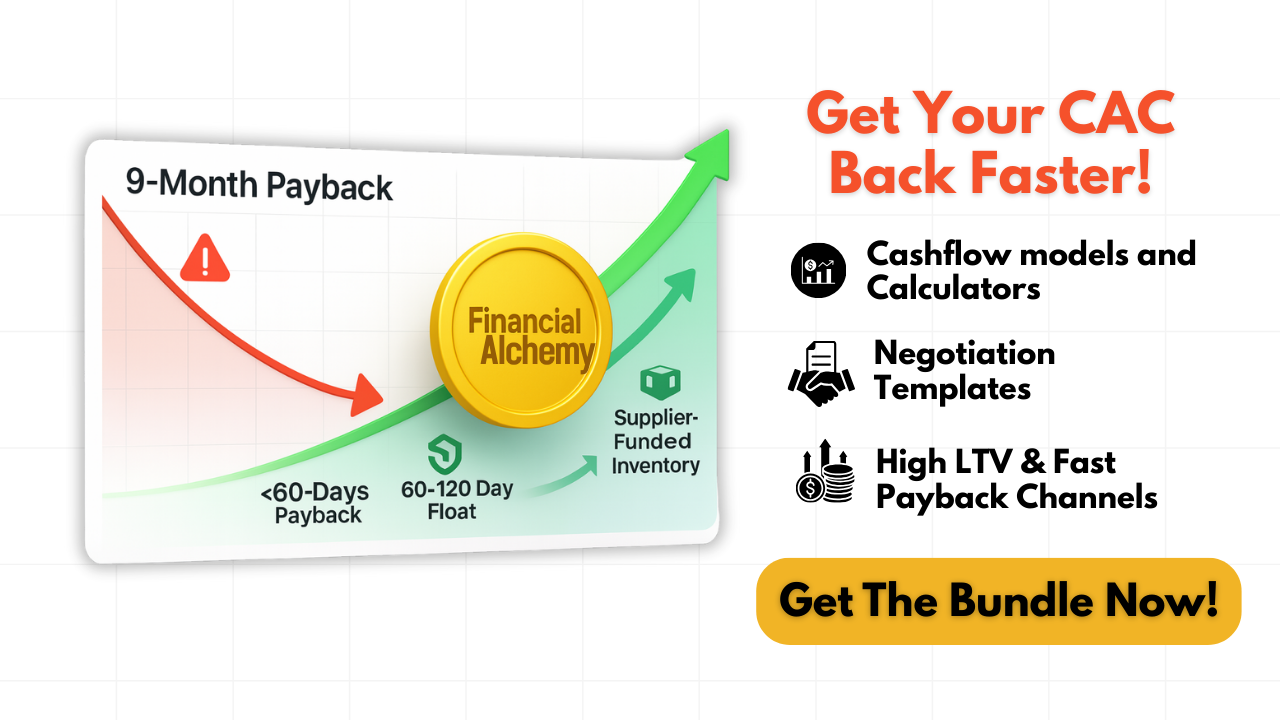
Great operators don’t just count cash, they make it multiply. They use timing and leverage to turn everyday revenue into rapid expansion.
Financial Alchemy is your cheatsheet packed with real operator insights and ready-to-use templates. Inside, you’ll learn how to:
💰 Master cash-conversion cycles to grow while suppliers fund your inventory, just as Wayfair scaled with a –34-day cash conversion cycle.
📊 Use the Cash Flow Simulator to forecast scenarios and uncover up to $100K in hidden operating cash within a single quarter.
🧮 Pinpoint profit levers with the Unit Economics Analyzer to cut CAC payback windows from 6 months to as little as 3 months.
🤝 Negotiate better terms using the Supplier Toolkit, a framework inspired by Skinny Pasta’s strategy that extended supplier terms to 120 days and fueled 100%+ Y-o-Y growth.
Start compounding capital instead of chasing outside funding.
Get your ebook now and turn your cash flow into the most powerful growth engine!
💡 Four Simple Systems That Will 5x Your Accuracy As A Creative Strategist
Most creative strategy fails for one boring reason. You are making decisions with scattered inputs and no feedback loop.
When screenshots live in DMs, insights live in your head, and test results live in forgotten Slack threads, you are not doing strategy. You are doing guesswork with extra steps.
Here are four stupid-easy systems that tighten the loop between what the market says and what you ship next.
1️⃣ Build A Single Capture Inbox: Create one place where everything goes first. Screenshots, swipe, competitor links, customer quotes, voice notes, ad examples. One folder or one Notion page. No exceptions.
This is not about being neat. It is about eliminating context loss. When your inputs are scattered, you rely on memory. And memory turns strategy into vibes. A single inbox gives you one predictable entry point, which makes patterns easier to spot and reuse.
2️⃣ Create A Weekly Reset Ritual: Block 15 minutes every week. Non-negotiable. Use it to clear the inbox, rename files, move finished work, and surface what matters.
This tiny habit prevents slow chaos. Strategy gets messy quietly, not suddenly. Weekly reset keeps your system trustworthy, so you stop wasting time searching and start spending time thinking.
3️⃣ Build A Customer Voice Vault: Make one living doc or table for reviews, DMs, call quotes, objections, and exact phrases customers use. Then add three fields to every quote. Stage, emotion, objection or desire.
This is where accuracy comes from. Not frameworks. Not trends. Language. When your creative is built from real phrases, your hooks stop sounding like marketing. And when you tag by stage and emotion, you stop writing one message for every moment.
4️⃣ Run A Test Log That Forces Learning: Create a simple log per client. Idea, built, live, result. Then add three columns. Hypothesis, learning, next test.This turns creative strategy into a compounding advantage. Without a log, you repeat mistakes and forget why winners won. With a log, every loss becomes a seed, and every win becomes a pattern you can scale. Over time, you stop chasing new ideas and start building a library of what the market has already proven.
The Takeaway
Creative accuracy is not talent. It is infrastructure. Capture everything once, reset weekly, store customer language like gold, and force every test to produce a next move. When your system gets tighter, your strategy gets sharper, and your output starts to feel inevitable.
💡 How to Build an App With Replit Inside ChatGPT
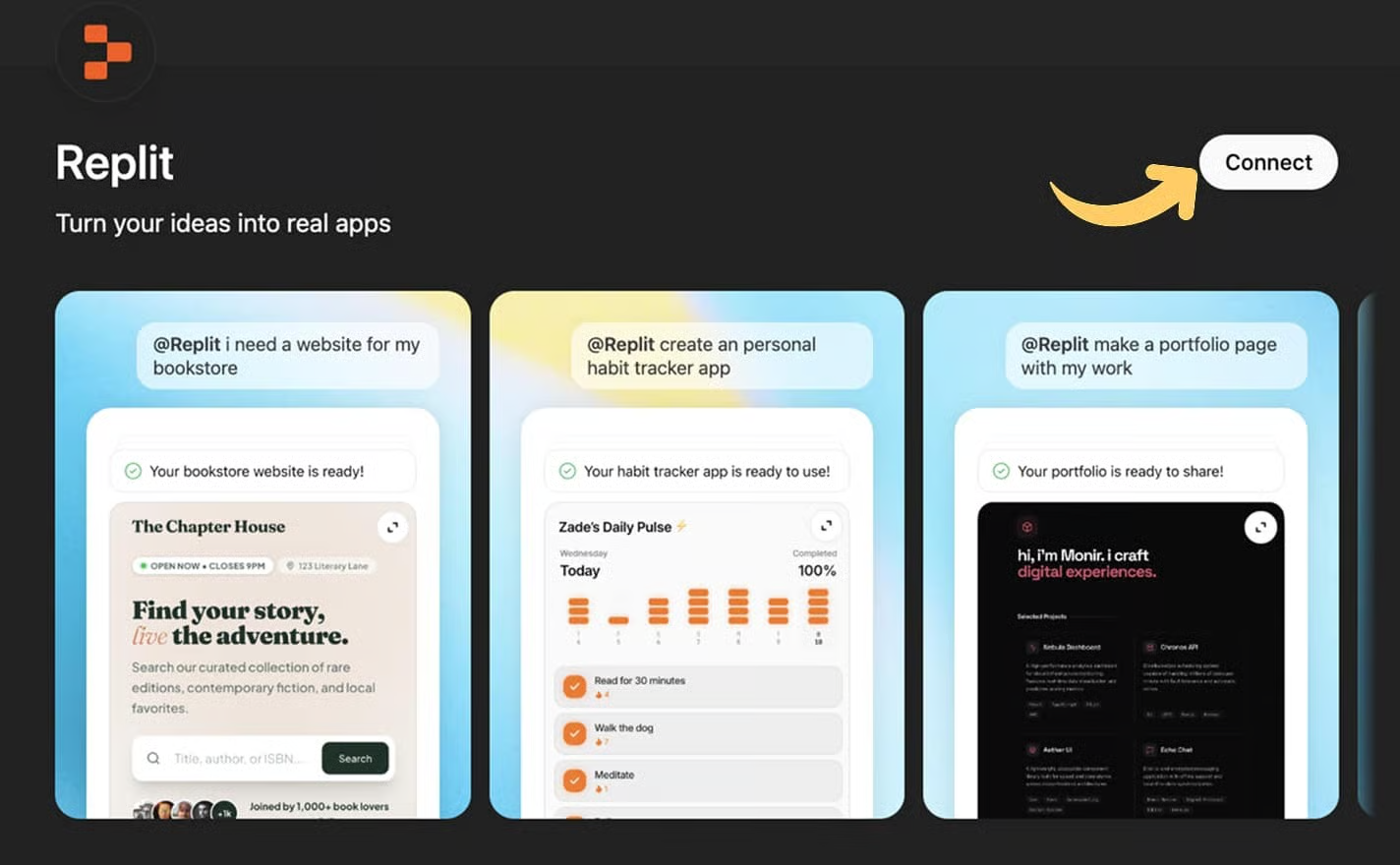
Building small tools usually means switching tabs, setting up environments, and wrestling with basic configuration before you even test an idea.
Replit inside ChatGPT removes that friction completely. You can build and iterate on a live app without ever leaving the chat.
Here is how the flow works.
1️⃣ Connect Replit Once: Start by signing up for ChatGPT. Then go to Settings, open Apps and Connectors, select Replit, and connect your account. This is a one-time setup. Once done, Replit becomes available directly inside your chats.
2️⃣ Launch Replit From The Chat Interface: Open a new chat, click the plus icon, and select Replit. You are now in a mode where ChatGPT can generate and run code live, not just explain it.
3️⃣ Describe The App In Plain Language: Type exactly what you want to build. For example, a simple to-do app with a clean interface, task creation, completion toggles, and deletion. You can even specify layout details like a title at the top or how tasks should persist during the session.
4️⃣ Get A Live Interactive App Instantly: Press Enter, and ChatGPT generates a working app inside the chat. No external tabs. No environment setup. No copy-pasting. You can interact with the app immediately to see if it behaves the way you expected.
5️⃣ Iterate In Real Time With Prompts: Want changes. Do not rewrite code. Just say what you want next. Add filters. Change the UI. Adjust behavior. Each prompt updates the app live, turning development into a conversation instead of a workflow.
The Takeaway
Replit inside ChatGPT turns app building into rapid experimentation. If your goal is to test ideas, prototypes, or internal tools fast, this setup removes nearly every technical barrier. The only thing that matters is how clearly you describe what you want to build.
As we prepare more "Growthful" content, we'd love to hear your thoughts on today's edition! Feel free to share this with someone who would appreciate it. 🥰