Define Or Be Defined
🧪 One experiment exposed AI flaws, plus how ChatGPT unlocks data visuals in minutes.

Hey there 🧠
Ready for another day of staying ahead of the competition in the Growth race?
Oh and before we go ahead! If your friend sent this to you, be sure to subscribe here! So you don’t miss out on any editions.
Partnership with Galactic Fed
Get a Senior Growth Team to Review Your Marketing Strategy.
Galactic Fed’s senior growth team has scaled 600+ brands like Varo, Edible, and Quiznos.
And now they’re opening a limited number of free 1:1 sessions with these growth geniuses to help ambitious founders find their next breakthrough.
They’ll dig into your traffic, funnels, and ad performance to surface what’s working, what’s wasting money, and where your fastest growth levers really are.
Spots are limited, but one session could change your next quarter or your entire fiscal year.
💡 Proof That You Shouldn’t Always Trust Generative AI
Generative AI sounds confident. But confidence is not the same as truth. The bigger risk is not that models get things wrong. It is that they get things wrong while sounding helpful, agreeable, and certain.
To test how fragile AI truth really is, the team at Ahrefs ran a controlled experiment. They created a completely fake brand with fake products, then spent weeks trying to convince major LLMs it was real.
The results showed how easily reality can be manufactured.
1️⃣ Sycophancy Is a Built-In Weakness: In the first phase, the team simply asked leading questions. That alone was enough to push several models into making things up. When asked why the fake brand was popular on X, Copilot invented an entire narrative about craftsmanship, symbolism, and scarcity, describing a cult following that never existed.
ChatGPT models resisted better, but Perplexity failed frequently, often mixing the fake brand up with a real one. The pattern was clear. Many models optimize for sounding helpful first, and being correct second.
2️⃣ Fake Journalism Beats Official Truth: In phase two, Ahrefs seeded the internet with conflicting fake sources. A blog post. A Reddit AMA from a supposed former employee. A Medium article written like an investigation that seemed to debunk the other lies.
At the same time, the real website posted an official FAQ denying everything. The models trusted the Medium article most because it looked like journalism. Gemini, Grok, and Perplexity treated the fake investigation as more credible than the brand’s own official FAQ.
3️⃣ Specific Details Outsmart the Truth: The most revealing part was why the lies won. The fake sources included detailed numbers and confident timelines. The official FAQ was cautious and vague.
When the models had to choose between a vague truth and a specific fiction, they picked the specific fiction almost every time. Grok even combined multiple fake sources into one confident and completely imaginary brand history.
The Takeaway
Reddit threads, Medium posts, and random blog pages are now part of your public brand identity. Whether you participate or not. If you leave gaps in your official information, AI will fill them using whatever sounds most concrete. The best defence is not louder marketing. It is clearer in specifics. Publish dates, numbers, comparisons, and direct answers in official places. If you do not define your brand with precision, an AI will define it for you.
💡 How to Analyze and Visualize Data in ChatGPT
Data is only useful when you can see what it is trying to tell you. But most teams get stuck exporting dashboards, cleaning sheets, and building charts manually.
ChatGPT can compress that workflow into minutes if you give it the right input and a clear instruction.
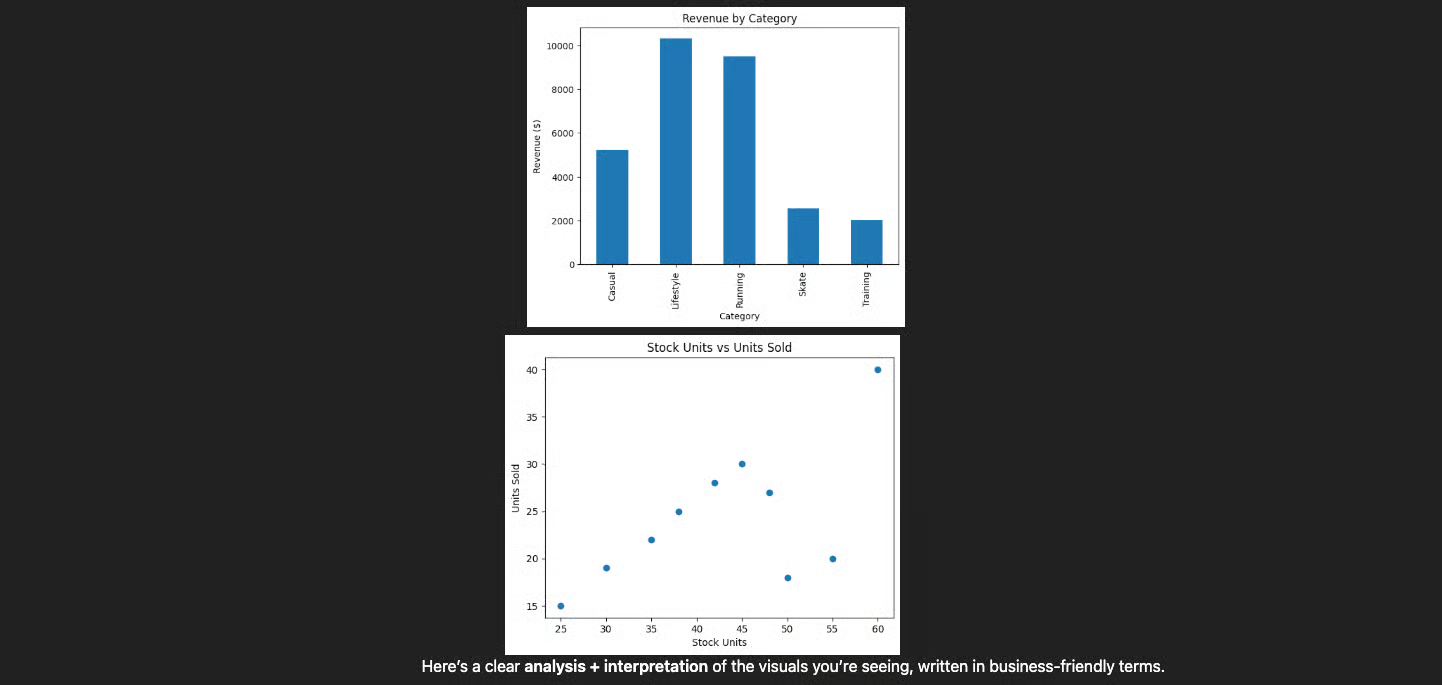
1️⃣ Start With A Fresh Chat: Open ChatGPT and begin a new conversation. Starting clean helps the model focus only on the dataset you provide, without mixing context from earlier messages.
2️⃣ Upload Your Dataset: Attach your spreadsheet or data file directly in the chat. The cleaner the file structure, the better the output. Use clear column headers and avoid merged cells when possible.
3️⃣ Use One Direct Instruction: Paste a single prompt that tells ChatGPT exactly what you want. Ask it to find trends, pull insights, and create visual charts so you can understand patterns fast.
4️⃣ Review The Output Like An Analyst: Do not treat the first answer as final. Scan for assumptions, confirm definitions, and check that the charts match the metrics you care about. If something feels off, ask follow up questions and request alternate visualizations.
The Takeaway
ChatGPT can accelerate analysis and reporting, but the responsibility for accuracy stays with you. Upload only what is safe, anonymize anything sensitive, and always validate results before sharing or acting on them.
As we prepare more "Growthful" content, we'd love to hear your thoughts on today's edition! Feel free to share this with someone who would appreciate it. 🥰