Future Lock-In Explained
💡 Make buying easier by shifting costs forward, and avoid these biggest influencer trust killers

Hey there 🧠
Ready for another day of staying ahead of the competition in the Growth race?
Oh and before we go ahead! If your friend sent this to you, be sure to subscribe here! So you don’t miss out on any editions.
Partnership with Wing Assistant
Get back 20+ hours/week for high-priority tasks with Wing
Overloaded by tasks that eat up the time you need for high-priority work? Need help organizing your calendar, inbox, outreach, or any other process?
Wing Assistant pairs founders, SMB owners, and team leads with high-performing, trained human virtual assistants who step in to lighten your burden, so you can focus on strategy, customers, and your actual goals.
You can get an Executive/General Assistant from Wing to improve admin, scheduling, inbox, and CRM.
Trusted by 10K+ customers, it also offers an end-to-end wide service range: sales support, marketing, content, research, bookkeeping, reporting, design, ops, customer support, and more.
Your assistant handles follow-ups, reports & coordination with care and consistency, giving you back 20+ hours a week for more important tasks.
Book a call to find an assistant that fits your needs today!
💡 Future Lock In and How Marketers Can Use It
There is a big gap between what people want for their future selves and what they are willing to do right now. Starting a diet next Monday feels easy. Starting today feels painful. This gap is known as Future Lock In, also called pre-commitment.
It is closely linked to hyperbolic discounting. We heavily favor immediate rewards over future benefits. A donut now feels more valuable than better health later. Interestingly, research shows we treat our future self almost like a different person. One who is more disciplined, responsible, and capable.
Nobel laureates Richard Thaler and Shlomo Benartzi demonstrated this with their “Save More Tomorrow” research. People resisted saving money immediately but happily agreed to save part of their future salary increases. The reason was simple. The pain was delayed, while the feeling of doing something good happened right away.
Marketers can use this same gap to reduce friction and increase conversions.
1️⃣ Push the Payment and Pain Into the Future: Paying now is one of the biggest barriers to buying. When you separate the decision to purchase from the act of paying, conversions rise. Buy now, pay later models do exactly this. Customers get the emotional reward of buying today, while the cost is delayed for their future self. By the time payment arrives, the product already feels owned and valuable.
2️⃣ Offer Virtuous Subscription Delays: For products that require effort, such as healthy food, supplements, or education, let customers commit now but start later. Meal kit services use this well. Customers are not deciding what to eat when they are tired and craving comfort food. They are deciding for their future self, who plans to eat healthier next week. The decision feels virtuous immediately, while the effort is postponed.
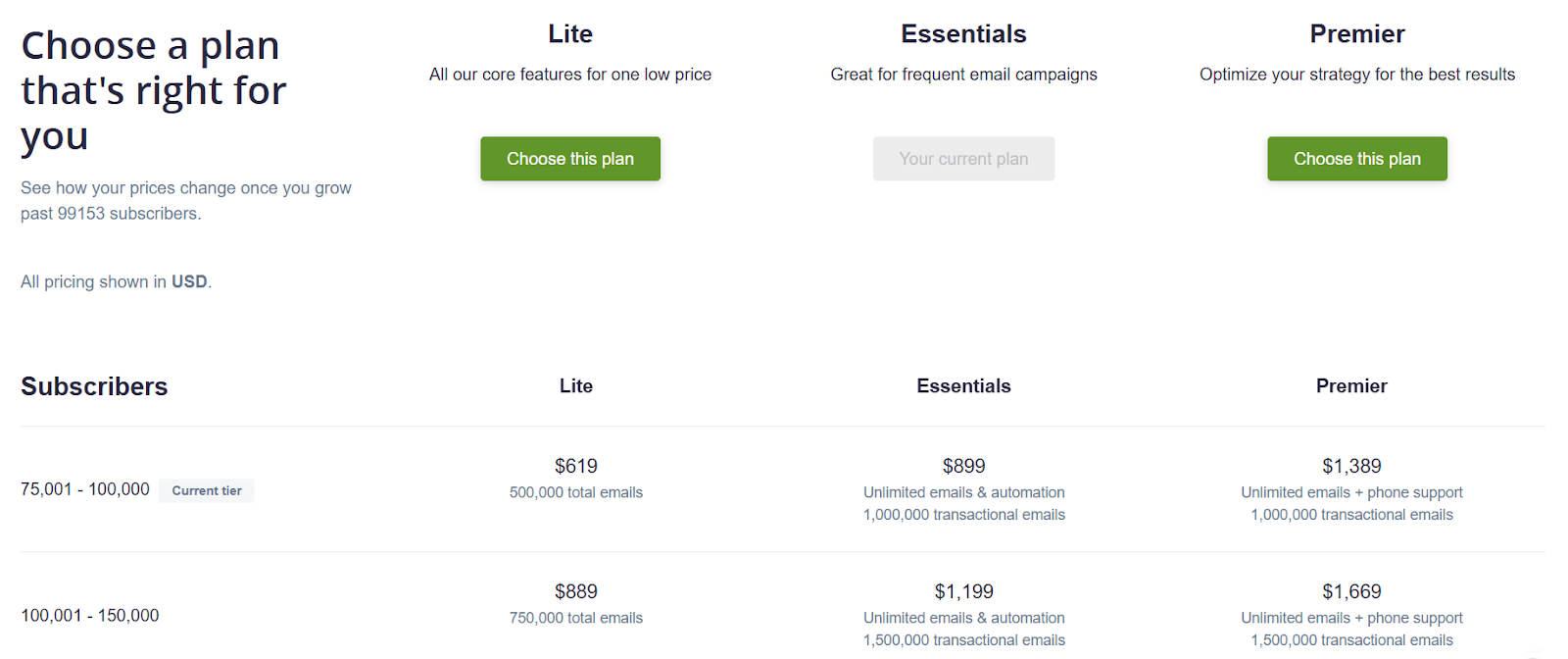
3️⃣ Use Pre Commitment for Upgrades: Instead of forcing customers to upgrade before they need it, ask them to agree to future upgrades tied to growth milestones. Many SaaS tools do this by automatically increasing pricing once usage thresholds are crossed. Customers commit today, knowing that higher costs only arrive if their business grows. This removes negotiation friction and aligns pricing with success.
The Takeaway
Future Lock In works because people are happy to make good decisions for their future selves, as long as the pain comes later. By delaying payment, effort, or upgrades, brands can reduce friction, increase commitment, and make buying feel easier and more rational in the moment.
💡 The Three Biggest Influencer Trust Killers
Audiences still value recommendations from creators. What they no longer tolerate is feeling misled. If influencer campaigns are underperforming, the issue is often not reach or frequency. It is trust.
Recent data highlights three behaviours that instantly erode credibility.
1️⃣ Lack of Authenticity and Transparency: The biggest trust killer by far is when influencers do not feel genuine. Around 80 percent of audiences say they lose trust when creators are not honest or transparent. Overly scripted endorsements and forced enthusiasm make promotions feel transactional rather than personal.
2️⃣ Unrealistic Lifestyles and Imagery: About 71 percent of people are turned off by influencers who present unattainable lifestyles or unrealistic body images. The polished, aspirational creator who feels distant and perfect is losing relevance. Audiences want creators who look and live like real people.
3️⃣ Hidden Brand Relationships: Trust collapses when sponsorships are disguised. 64 percent of audiences lose confidence when influencers fail to clearly disclose brand partnerships. Viewers can spot a cash grab quickly, and once they feel deceived, credibility is hard to rebuild.
4️⃣ What Marketers Should Do Instead: Stop optimizing for follower count alone. Vet creators based on value alignment, tone, and audience trust. Give influencers room to speak honestly, including mentioning downsides or limitations. A balanced review feels more believable than flawless praise and often performs better.
The Takeaway
Influencer marketing works when it feels human. The future belongs to creators who are relatable, transparent, and honest about partnerships. Brands that prioritize authenticity over aesthetics will earn trust and long-term impact, not just impressions.
As we prepare more "Growthful" content, we'd love to hear your thoughts on today's edition! Feel free to share this with someone who would appreciate it. 🥰