How AI reads authority
🔗 How AI really weighs your backlinks, plus the psychological bias hurting conversions

Hey there 🧠
Ready for another day of staying ahead of the competition in the Growth race?
Oh and before we go ahead! If your friend sent this to you, be sure to subscribe here! So you don’t miss out on any editions.
Partnership with Insense
HACK: Get 20+ ad variations (per creator) to scale your Q5 ads effortlessly
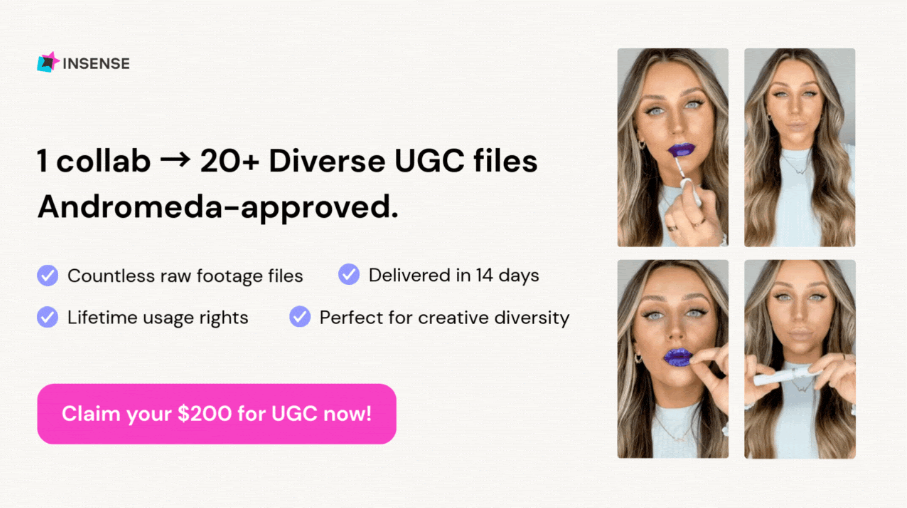
It’s officially the scramble phase, the part of Q5 where performance depends entirely on how quickly you can ship fresh creatives.
There’s still time to source fresh content - and Insense makes UGC ads insanely cost-effective.
With Insense, each collab gives you a full bank of raw footage you can mix, match, and turn into multiple scroll-stopping ads. One creator can fuel an entire round of Q5 testing without draining your team’s bandwidth.
- 20+ raw assets per creator you can spin into countless variations.
- Fast 14-day turnaround so you stay ahead of Q5 spend.
- Lifetime usage rights, so every winning asset keeps paying off.
That’s how over 2000+ brands like Beauty Pie, Bones Coffee, Flo Health, and Chomps scale UGC without killing team bandwidth.
Cost-effective UGC with lifetime usage rights? Yes please!!
Book a discovery call by Jan 9 and get a $200 bonus for your first campaign!
💡 How AI Really Weighs Your Links
Backlinks have always been SEO currency. But now AI models like ChatGPT and Gemini are shaping discovery too, and that raises a new question.
Do links still matter in an AI-driven search world? Or does the old playbook need a rewrite?
A recent analysis suggests the link economy is not dead. It is evolving.
1️⃣ Authority Still Drives Visibility: There is a clear relationship between authority and AI mentions. Higher authority sites tend to earn a higher share of voice in AI answers. But authority alone is not the whole story. What matters most is breadth. Getting links from many different high-quality domains can outperform getting lots of links from a small set of sources.
2️⃣ Quality Beats Volume, Until You Reach The Top: The impact of link building is not smooth or gradual. The relationship is not linear. Mentions jump meaningfully only when you reach the upper tier of authority, roughly the top deciles. Until you break into that range, efforts can feel slow because you are building toward a threshold rather than stacking incremental gains.
3️⃣ Nofollow Links Can Count More Than You Think: For AI mentions, nofollow links appear to carry similar weight to regular links across some models. ChatGPT and Gemini can treat nofollow as a strong signal. That is useful because nofollow placements are often easier to earn. Google AI Overviews may still lean more toward standard links, but other models seem more open to broader signals.
4️⃣ Image Links Are Underrated: Image-based backlinks can perform as well as text links, and in some cases show an even stronger relationship to AI mentions. This approach works best once you already have some authority built, but it may be one of the most productive and underused tactics for AI-optimized visibility.
The Takeaway
AI has not removed the need for links. It has changed what kinds of links matter. Diversity of strong sources, reaching authority thresholds, leveraging nofollow placements, and using image links can all increase the odds of being cited inside AI answers. The game looks different, but the fundamentals are still familiar.
🕳️ The Sample Size One Trap:
Most people believe their opinions are widely shared. That assumption feels comforting. It is also often wrong.
In 1977, Stanford researcher Lee Ross tested this with a simple experiment. Students were asked if they would walk around campus for 30 minutes wearing a sandwich board that said “Eat at Joe’s.” Those who agreed believed most others would agree. Those who refused believed most others would refuse. Both groups assumed their choice was the majority view. Both were wrong.
This bias is called the False Consensus Effect. It describes our tendency to overestimate how much other people think, feel, and behave like us.
We default to treating our preferences as normal. If you love espresso, you assume most people enjoy bitter coffee. If you hate pop-up ads, you assume they never work. Our own experiences are the most available data we have, so we project them outward to feel validated.
That is dangerous in marketing.
You are not your customer. When campaigns are built on personal taste or internal opinions, budgets get spent based on a sample size of one.
Here is how to counter it.
1️⃣ Replace “I Think” With “The Data Says”:
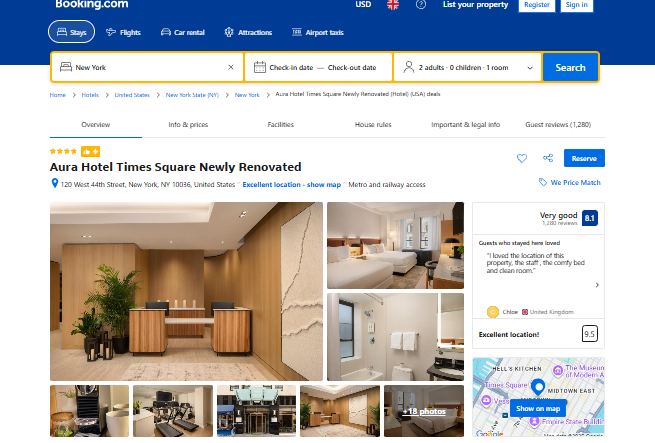
The most misleading sentence in marketing meetings is “I wouldn’t click that.” Your behavior is irrelevant. User behavior is not. Many high-performing products and ads look outdated, cluttered, or annoying by design.
Booking.com is a classic example. Its interface is busy, urgent, and far from minimal. Designers may dislike it. Data consistently proves it converts. When evidence contradicts taste, evidence wins.
2️⃣ Fight The Curse Of Knowledge In Copy:
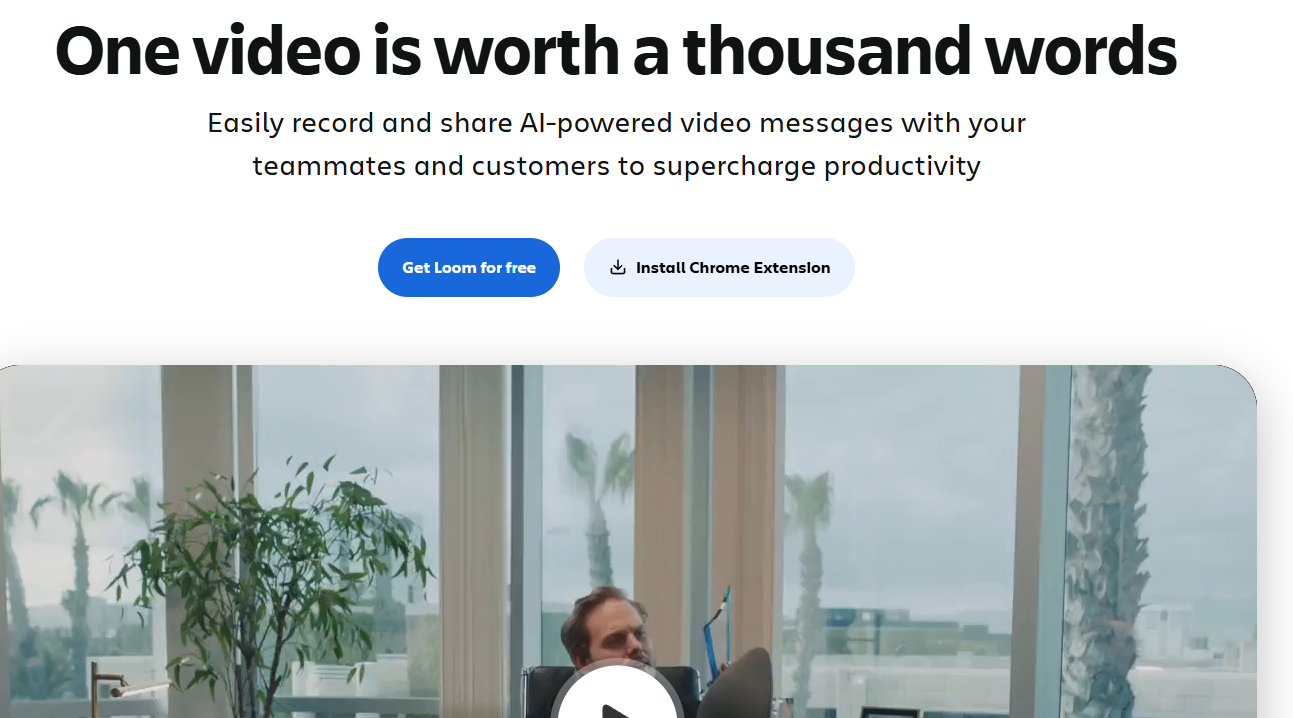
Because you understand your product deeply, you assume your audience does too. This creates copy full of jargon, acronyms, and feature language that feels obvious to insiders and confusing to users.
Loom could have positioned itself as an asynchronous video messaging software. Instead, it framed the product around a universal pain point. Send a video instead of writing long messages. They removed assumed understanding and met users where they were.
3️⃣ Cast A Narrower Net On Purpose:
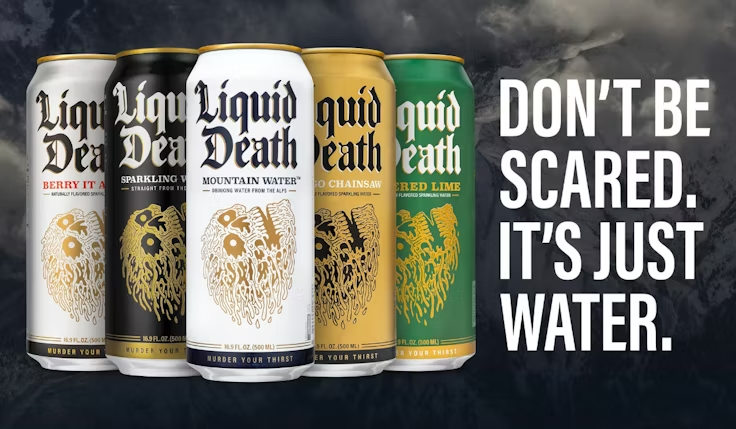
The false consensus effect pushes teams to market to everyone. That usually results in safe, bland messaging that excites no one. Strong brands accept that consensus is a myth and lean into polarisation.
Liquid Death does this intentionally. Its aggressive branding is not meant for everyone. It is meant for the people who get it. By ignoring the imaginary majority, they built a loyal audience.
The Takeaway
Your preferences are not market truth. The fastest way to waste budget is to assume they are. Replace opinion with data, simplify what feels obvious to you, and stop trying to appeal to everyone. Consensus feels safe, but clarity converts.
As we prepare more "Growthful" content, we'd love to hear your thoughts on today's edition! Feel free to share this with someone who would appreciate it. 🥰