Tone That Drives Conversions
🔊 Master tone that converts, then let Claude simulate real consulting interview reviews

Hey there 🧠
Ready for another day of staying ahead of the competition in the Growth race?
Oh and before we go ahead! If your friend sent this to you, be sure to subscribe here! So you don’t miss out on any editions.
Partnership with Khaki
All newsletter, no noise.
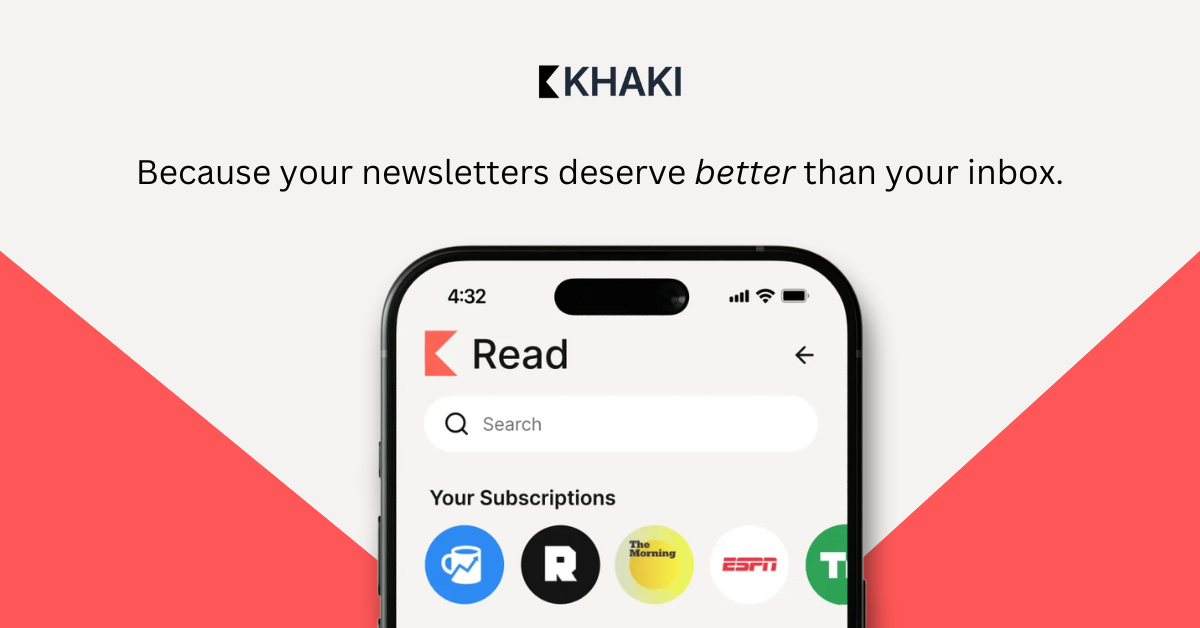
We hear constant complaints from readers about their inbox chaos and the inability to find the newsletters they’re actually looking for, including ours.
Recently, we were introduced to Khaki, a free app that solves for this. It strips away all the unnecessary content and features, so you can enjoy reading the content you’re subscribed to without distractions, to create the ultimate reading experience.
We’ve been liking it so much that we want you to have early access too.
Sign up with your Gmail and code NEWSLETTER to try the beta today!
💡 How Tone of Voice Shapes Buying Decisions
Insights from sciencesays
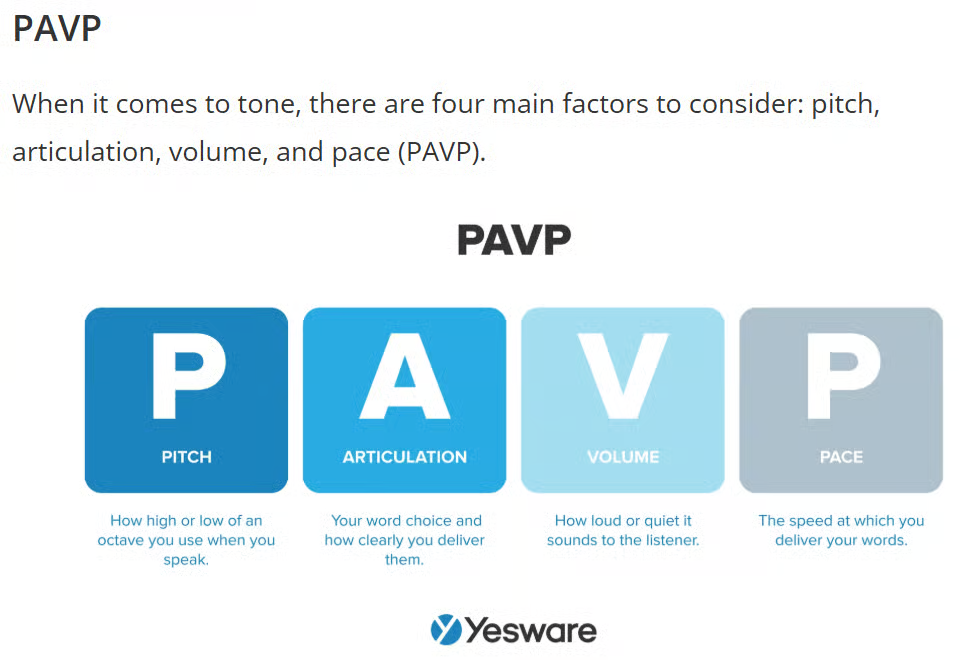
Your tone matters more than your script. New research shows that the volume and energy in your voice can meaningfully shift whether customers buy and how quickly they make the decision. And the ideal tone isn’t the same for new customers and returning ones.

1️⃣ Use Loud, Confident Tones for Everyone: Across the board, a louder, more powerful tone increases buying likelihood. It signals confidence, certainty, and presence. Customers perceive loud voices as more competent, which nudges them toward taking action faster.
2️⃣ Use Energetic Tones for New Customers: For people hearing from you for the first time, combine loudness with bright, enthusiastic energy. The study found that new customers were: • 7.7 percent more likely to buy when the tone was bright and energetic • 8.4 percent more likely to buy when the salesperson spoke loudly • 26.7 percent more likely to believe the salesperson was excited • More likely to plan an immediate purchase after the call Energy communicates passion, which is powerful during a first impression.
3️⃣ Use Calm, Steady Tones for Returning Customers: Existing customers responded differently. They preferred confident loudness but disliked energetic tones. They were: • 5.4 percent more likely to buy when spoken to loudly • 3 percent less likely to buy when the tone was energetic • 4.8 percent more likely to view the salesperson as competent when loud • 7.3 percent less likely to see them as competent when energetic Returning customers want reassurance and expertise, not hype.
4️⃣ Why Tone Works This Way: Humans use tone and volume to infer emotion and credibility. • Energetic tones signal passion and excitement, ideal for new customers discovering a product • Calm tones signal confidence and mastery, ideal for returning customers evaluating a next step We trust people who sound like they understand what they’re talking about.
5️⃣ A SaaS Example: Yesware teaches tonal fundamentals but misses guidance on when to use energetic or calm tones. Their training could improve by: • Teaching the importance of a powerful, intense baseline tone • Explaining tone variations for new versus returning customers • Encouraging personal connection by using “I” statements and asking the buyer’s name
The Takeaway
If you want more conversions, match your tone to the customer. Loud confidence works everywhere. Pair it with energetic brightness for new leads and with calm steadiness for returning ones. Tone isn’t an afterthought. It’s a growth lever hiding in plain sight.
💡 How to Practice Case Interviews With Feedback Using Claude
Claude can simulate a full consulting-style case interview, critique your work like a senior partner, and guide you through structured analysis. With the right setup, it becomes a powerful practice environment that mirrors real interview expectations.
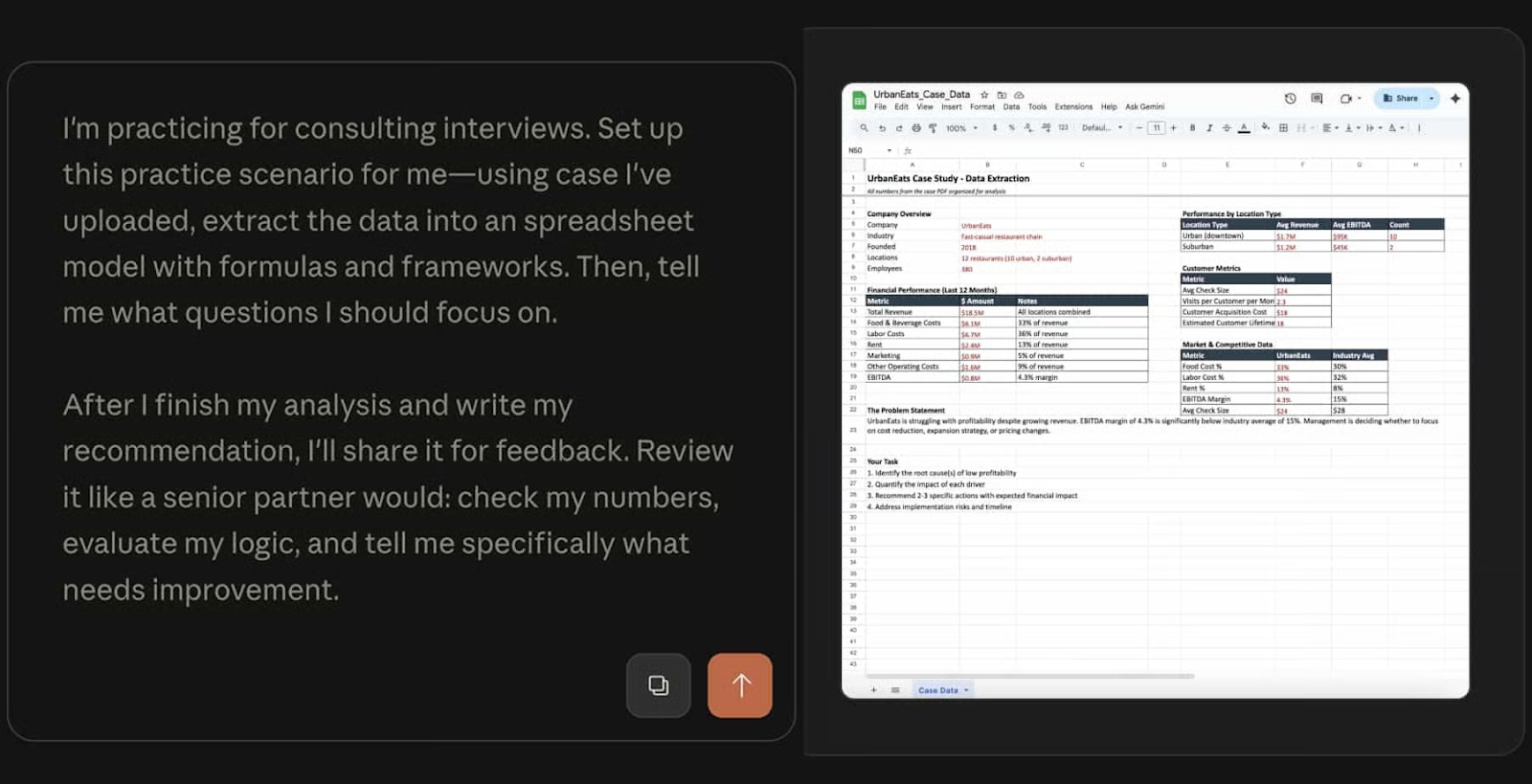
1️⃣ Start by Uploading Your Case Study: Upload the case file so Claude can extract all relevant numbers, context, and constraints. Turn on Extended Thinking to enable deeper reasoning and stronger analytical breakdowns. This gives Claude the information it needs to replicate a real consulting scenario.
2️⃣ Set Your Goal and Build the Model: Tell Claude exactly what you want to practice and ask it to construct a spreadsheet-style model with formulas and core frameworks. Sample Prompt: “I’m preparing for consulting interviews. Using the case I uploaded, extract the data into a spreadsheet model with formulas and frameworks. Then tell me the key questions to focus on. After I write my recommendation, I’ll share it for feedback. Review it like a senior partner: check my numbers, evaluate my logic, and explain what needs improvement.”
3️⃣ Get Your Custom Practice Guide: Claude will generate: • The critical questions your interviewer expects • The required analyses and calculations • The frameworks needed (profitability tree, market sizing, segmentation, etc.) • A clear structure for how to approach your answer This becomes your case roadmap.
4️⃣ Refine With Follow-Up Questions: Once you complete your analysis, share your recommendation. Claude will review your reasoning, validate your math, push back on weak assumptions, and highlight gaps—just like a senior consulting manager. You can also: • Compare alternate solutions • Deep dive into frameworks • Request more pointed critique • Push Claude to be stricter for advanced prep
The Takeaway
Claude turns case interview practice into a guided, iterative process. With structured models, targeted prompts, and partner-level feedback, you can sharpen your analysis, communication, and decision-making, all before your actual interview.
As we prepare more "Growthful" content, we'd love to hear your thoughts on today's edition! Feel free to share this with someone who would appreciate it. 🥰