Turn Insults Into Ads
🎭 Make criticism work for you, and how to draft faster replies using Pylon AI

Hey there 🧠
Ready for another day of staying ahead of the competition in the Growth race?
Oh and before we go ahead! If your friend sent this to you, be sure to subscribe here! So you don’t miss out on any editions.
Partnership with Aviron
You don’t need another treadmill collecting dust.

Meet the Aviron Victory Treadmill, designed to keep you consistent and your workouts from collecting dust. With science-backed programming inspired by game design and industry-leading hardware that’s comfortable, powerful, and built to last, the Victory will help you stay on track and actually see results.
Here’s what makes the Victory different:
- Exclusive gamified and science-backed workouts: Designed using game psychology to keep you motivated, engaged, and coming back for more day after day.
- Endless variety for every fitness goal: Play, train, stream, and compete with the most extensive workout library, all on a stunning 22" HD touchscreen.
- A low-to-the-ground, comfortable design: Walk, run, and train with Aviron’s cushioned ultra-low 4” Cloud Stride deck for advanced shock absorption and comfort.
- Commercial-quality build and performance: A 3.5 CHP motor, maintenance-free pre-waxed belt, 10-year warranty, and 400 lb capacity deliver unmatched durability and reliability.
Ready to try a workout you won’t want to quit?
Use code VICTORY50 for $50 off at checkout and start your 30-day risk-free trial today!
💡 Turn Unfair Insults Into High-Performing Ads
Most brands panic when they get mocked online. But research suggests a smarter move: reuse unfair or irrelevant insults and turn them into a joke. When done correctly, it makes your brand feel confident, more likeable, and more engaging.
1️⃣ The Core Recommendation: If a complaint is clearly unfair, irrelevant, or harmless, do not deny it or apologise for it. Reframe it with humour. If someone calls you a “birdbrain store,” lean into it by creating a campaign where birds run the shop. This approach tends to outperform ignoring, denying, or issuing a generic apology.
2️⃣ What the Research Found: Across three experiments, brands that reused insults saw stronger results:
• An electronics store saw a 26.7 per cent higher CTR by embracing “out of date, birdbrain store” compared to denying it
• When MTV reused “overly dramatic,” people were 25 per cent more interested, found the brand 70.5 per cent more humorous, and perceived it as 20.2 per cent more confident than when MTV ignored the insult
• Vitamin Water reusing “ew” was seen as 67 per cent more humorous and 21 per cent more confident than ignoring it
3️⃣ When This Can Backfire: Context matters. If the person making the insult is seen as vulnerable, reusing it can make the brand look like a bully. In one test, when an elderly woman made the insult, perceptions of the brand as a bully rose by 59.9 percent compared to ignoring it. Choose your moments and your targets carefully.
4️⃣ Why This Works Psychologically: Humour breaks expectations. A brand that laughs at itself feels self-assured, and confidence is attractive. When customers see a brand respond playfully instead of defensively, they perceive it as more human, more in control, and more likable. That increases engagement and can even raise purchase intent.
5️⃣ Real Life Examples to Copy: Flamingos Coffee Bar turned a negative Yelp comment about being “disgustingly pro-women” into merchandise. They could push it further by clearly crediting the review, showcasing the criticism alongside positive feedback, and using the moment to create content that builds community connection.

The Takeaway
Unfair insults can be free creative fuel. Reuse them sparingly, keep it playful, and avoid punching down. When done right, you transform criticism into confidence, and confidence converts.
💡 Give Your B2B Support Team Superpowers With AI
Support teams lose hours jumping between tools, rereading long threads, and hunting for customer context. AI can remove that friction. With platforms like Pylon, support reps can respond faster, with better accuracy, and with full visibility into the customer’s history.
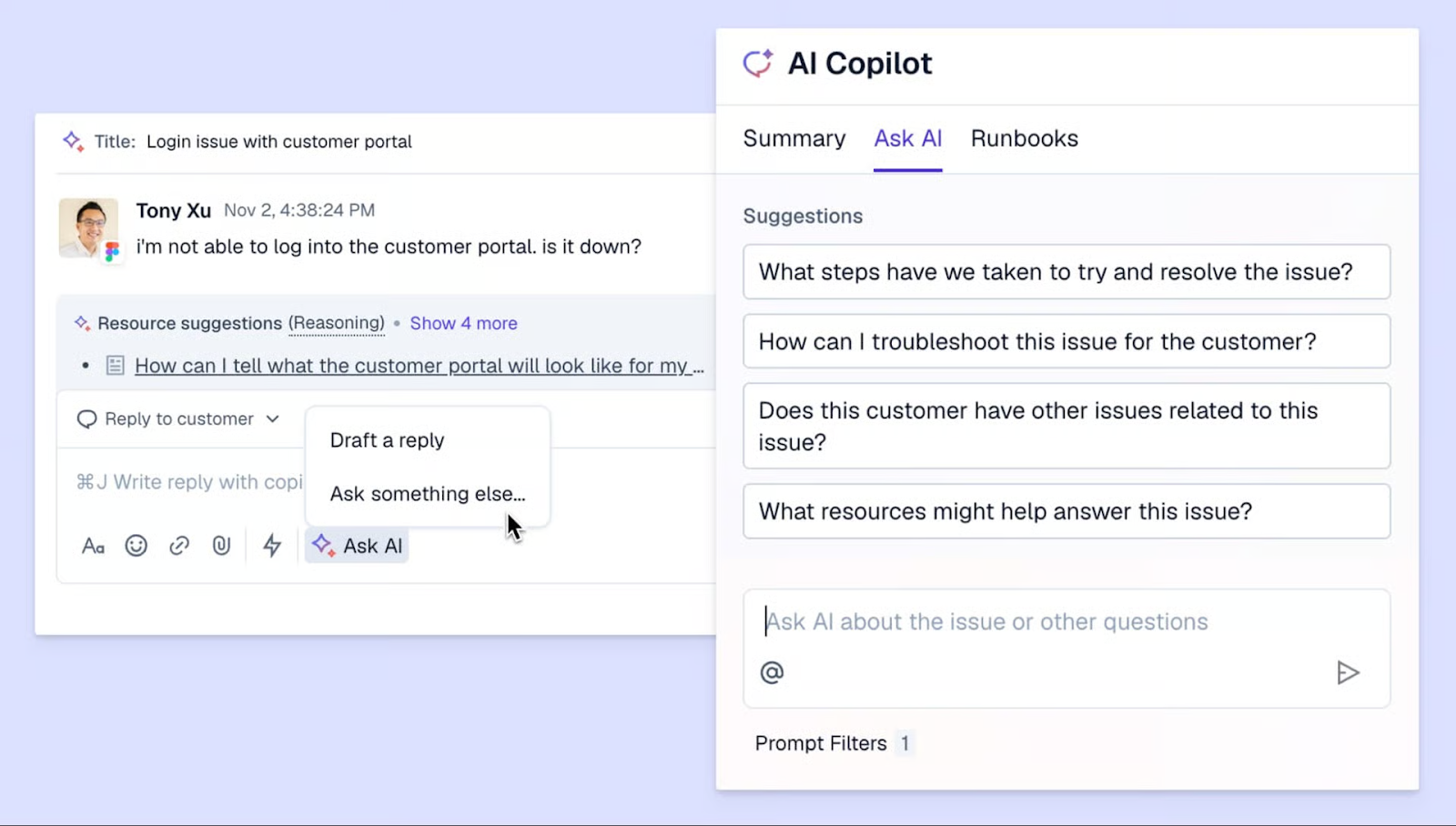
1️⃣ Get Started With Pylon: Create your Pylon workspace and set up the platform as your support command center. The goal is to centralize conversations, knowledge, and account history so reps stop working in silos.
2️⃣ Connect Your Data Sources: Integrate the tools where customer context lives, including email, chat, Slack, CRM, call recorders, your data warehouse, and more. When these sources connect, AI can reference the full timeline, not just the latest message.
3️⃣ Add Training Data That Matches Your Business: Upload internal knowledge like documentation, help centre articles, product guides, your website, GitHub, and other trusted sources. This ensures the AI drafts responses aligned with your product, policies, and technical reality.
4️⃣ Use Ask AI to Draft and Summarise: Click Ask AI inside a ticket to generate fast, context-rich support help. It can:
• Draft replies automatically
• Summarise long conversations
• Suggest relevant articles or steps
• Pull account history and prior resolutions. You can ask questions like:
• “Has this customer faced this issue before?”
• “How did we resolve similar tickets?”
• “What is this account’s sentiment?”
• “Are there related incidents to reference?”
5️⃣ Improve the Response Before Sending: Use Ask AI to rewrite, shorten, or sharpen your draft. This helps reps match tone, remove fluff, and send clearer answers without spending extra time.
The Takeaway
AI does not replace great support. It amplifies it. By combining integrated customer data with trained knowledge, Pylon helps support teams respond with speed, context, and confidence, while delivering a better customer experience.
As we prepare more "Growthful" content, we'd love to hear your thoughts on today's edition! Feel free to share this with someone who would appreciate it. 🥰